
logo
경우

How We Solved a CTP Plate Cleaning Problem

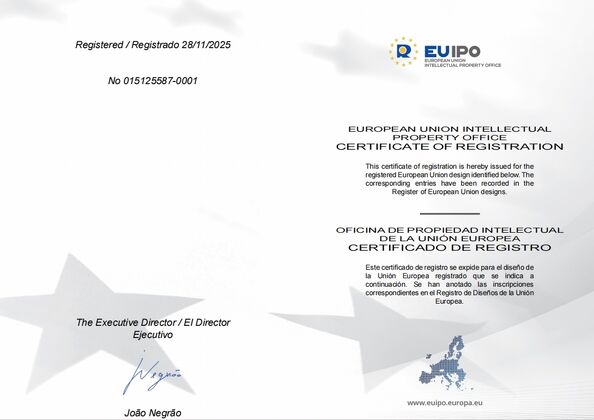
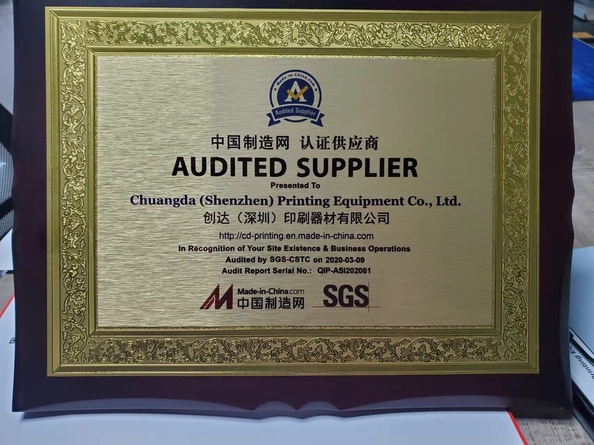
인증
중국 Chuangda (Shenzhen) Printing Equipment Group 인증
고객 검토
처음 협업하긴 하지만 품질과 서비스는 예상치 못했던 수준입니다. 저는 청다에서 온 제니와 장기적인 협업을 할 수 있는 영광을 누리고 있습니다.

—— 조르지

작은 주문부터 큰 주문까지 품질은 항상 최고입니다.

—— 헤인 Htet

처리되지 않은 CTP 판을 반복적으로 구매한 후에도 제품의 품질은 변하지 않았고 제품의 두께와 품질은 원래 샘플과 정확히 동일합니다.

—— 조르다노

여름은 정말로 나를 실망시키지 않았습니다. 우리는 2년간 토론했습니다, 내가 걱정했습니다 기계가 뒤로 구입되는 후에 여러 문제가 있을 것이지만, 그러나 내 생각이 틀립니다, 그것이 나에게 제한 없는 이윤을 가져올 것이도록, 내가 더 일찍 뒤로 기계를 구입하여야 합니다. 그러한 좋은 기계를 재서, 여름을 대단히 감사하세요

—— 모콜이

구매하기 전에, 저는 기계의 사후 문제에 대해 더 걱정했습니다. 하지만, 귀사와 1년 동안 협력하는 동안, 제가 걱정했던 문제들은 전혀 발생하지 않았고, 여전히 할당된 엔지니어가 저를 지원해주셨습니다. 다른 친구들에게도 귀사를 소개할 것입니다.

—— Mohumend

추가 주문, 이중 레이어 CTP 판.

—— 압둘

저는 주문량을 늘리기로 결정했습니다. 그리고 제 고객은 당신이 저에게 고품질의 CTP 기계를 가져왔다는 것에 매우 행복합니다.

—— 벨트

컴퓨터 플래시세터, U864. 2018년 기종이지만, 기계를 받은 후, 겉모습이 새 기종과 크게 다르지 않을 것으로 예상하지 못했습니다. 내부는 매우 깨끗합니다.

—— 후센

이중 레이어 CTP 판의 품질이 매우 좋습니다. 귀사와 장기적인 협력 계약을 체결할 계획입니다. 이 품질을 유지해 주십시오.

—— 압둘

제가 지금 온라인 채팅 해요

How We Solved a CTP Plate Cleaning Problem

September 7, 2026
최신 회사 사례 How We Solved a CTP Plate Cleaning Problem

 How We Solved a CTP Plate Cleaning Problem

Customer Background

A commercial printing company in Europe was using processless CTP plates for its offset printing production. The customer had been satisfied with the overall plate performance, but during a period of production testing, they encountered an unexpected cleaning problem.

After plate exposure and the start-up process, some non-image areas were not cleaning up as quickly as expected. Even after the dampening solution was applied and the press was brought into balance, residual ink remained in certain non-image areas.

This resulted in longer makeready times, increased paper waste, and concerns about print stability.

The Challenge

The customer initially suspected that the problem was related to the CTP plates themselves.

However, CTP plate performance can be affected by several factors, including exposure conditions, plate handling, dampening solution, ink characteristics, press settings, water quality, and the start-up procedure.

Therefore, instead of simply replacing the plates, our technical team worked with the customer to investigate the entire workflow.

The main issues identified were:

  • Non-image areas were taking longer to clean during press start-up.

  • Residual ink appeared in some non-image areas.

  • The press required additional time to reach a stable ink-water balance.

  • The customer was concerned about increased paper and plate waste.

Our Technical Investigation

We first collected information about the customer's CTP equipment, exposure conditions, plate specifications, dampening solution, ink system, and press operating procedure.

Based on the information provided by the customer, our technical team analyzed the possible causes from both the plate side and the printing-process side.

The investigation showed that the cleaning performance was influenced not by a single factor, but by the interaction between the plate, dampening solution, ink, and press start-up conditions.

We therefore recommended optimizing the operating conditions rather than making an immediate change to the plate specification.

Our Solution

We provided the customer with step-by-step technical guidance focused on the following areas:

1. Optimizing the Dampening Solution

The customer was advised to check and adjust the dampening solution according to the recommended operating range for their press and local water conditions.

A suitable ink-water balance is particularly important during the initial start-up stage.

2. Adjusting the Start-Up Procedure

We recommended allowing sufficient time for the plate to reach a stable printing condition during press start-up.

The goal was to remove residual non-image ink efficiently without unnecessarily increasing paper waste.

3. Checking Ink and Press Settings

We also advised the customer to review ink tack, ink-water balance, press speed, and other relevant press parameters.

These factors can influence how quickly the non-image areas of a processless plate clean up.

4. Improving Plate Handling

Our technical team also reviewed plate storage and handling practices with the customer.

Proper storage conditions and careful handling help maintain consistent plate performance from exposure through printing.

The Result

After implementing the recommended adjustments, the customer's plate cleaning performance improved significantly.

The non-image areas cleaned up more efficiently during press start-up, while the printing process became more stable. The customer was able to reduce unnecessary makeready time and minimize paper waste caused by repeated adjustments.

More importantly, the customer gained a clearer understanding of how processless CTP plates interact with the dampening system, ink, and press conditions.

The experience also demonstrated that solving a CTP plate problem is not always about changing the product. In many cases, proper process optimization and technical support can make a significant difference.

More Than a CTP Plate Supplier

This case reinforced our approach to customer service.

When a customer encounters a technical issue, we don't simply recommend replacing the product. We first try to understand the complete printing process, identify the potential causes, and provide practical recommendations based on the customer's actual production conditions.

For processless CTP plate users, stable printing performance depends on the combination of plate quality, CTP exposure, dampening solution, ink, press settings, and operating procedures.

Our goal is not only to supply reliable CTP plates, but also to help customers achieve stable and efficient offset printing.

If you are experiencing cleaning, start-up, or printing stability issues with CTP plates, our technical team is ready to help analyze the problem and find a practical solution.

연락처 세부 사항
Chuangda (Shenzhen) Printing Equipment Group

담당자: Mr. Summer

전화 번호: +8613728619758

회사에 직접 문의 보내기 (0 / 3000)